
Saffron, often called the “red gold” of spices, comes from the delicate stigmas of the Crocus sativus flower. Prized for its distinctive flavor, vibrant color, and potential health benefits, it is the world’s most expensive spice, with prices frequently exceeding $9,000 per pound. Traditionally, the majority of global production comes from Iran, Spain, and Afghanistan, where the crop benefits from hot, dry summers, mild winters, and well-drained soils. In recent years, however, American farmers—including those in Texas—have begun cultivating saffron as a high-value alternative crop. This trend is fueled by economic potential, suitable regional climates, and increasing consumer demand for pure, domestically grown saffron. As of 2026, Texas appears well-positioned to capitalize on this opportunity, potentially mirroring the remarkable growth of its wine industry.
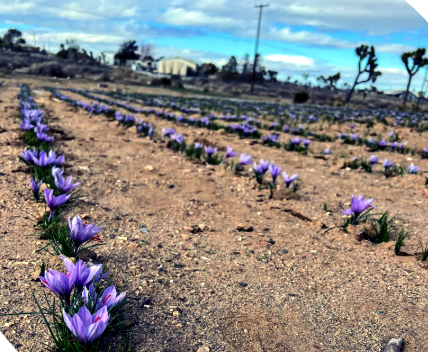
The Rise of Saffron Farming in the United States
Saffron cultivation has gained traction across the U.S. in states like California, Washington, Pennsylvania, Vermont, and Texas. Small-scale farms and even home gardeners are increasingly experimenting with the crop, driven in part by supply chain challenges during the COVID-19 era and a broader push toward self-sufficiency and premium local products. Domestic saffron appeals to consumers wary of adulterated imports, which are sometimes diluted with fillers like dyed threads. The spice’s uses extend beyond cooking to cosmetics, pharmaceuticals, and wellness products.
The U.S. saffron market reflects this momentum, valued at approximately $388 million in 2024 and projected to grow at a compound annual rate of around 7.8% through the coming years. Globally, the market continues to expand due to rising demand for high-quality, traceable ingredients. Technological advancements, including AI-optimized farming techniques, are helping boost yields in both traditional and emerging regions.
Why Texas? Climate and Economic Advantages
Texas’s varied geography offers promising conditions for saffron. Arid areas in West Texas, with hot dry summers, mild winters, and elevations that provide good drainage, closely resemble saffron’s native Mediterranean and Iranian habitats. The crop requires well-drained sandy loam soils (pH 6–8), minimal water once established, and a fall blooming period after summer dormancy—conditions found in regions like the South Plains and Panhandle.
Economically, saffron stands out as a high-return option for Texas farmers facing volatile prices for conventional crops. A small plot can generate substantial revenue, with potential yields scaling quickly as corms multiply naturally. This crop requires low ongoing inputs compared to water-heavy staples, aligning well with drought-prone areas. The trajectory echoes Texas’s wine industry, which has grown dramatically in recent decades, now contributing billions in economic impact and supporting a large number of jobs and operations.
Pioneers in Texas: Meraki Meadows and Emerging Growers
Leading the charge is Meraki Meadows, widely recognized as Texas’s first significant commercial saffron farm. Located near New Home (about 30 minutes south of Lubbock), the operation was started in 2020 by two families—the McDonalds and the Becks—on unused acreage during the pandemic. Beginning with imported corms, they have expanded production through natural multiplication, with harvests occurring in a brief fall window. The entire process remains hands-on: planting in late summer, daily dawn picking during bloom, and immediate drying to maintain quality.
Meraki Meadows offers premium saffron threads, including higher-grade options, along with value-added items like infused products. Their website, txsaffron.com, highlights natural, Texas-grown practices and emphasizes purity over imports. Media coverage, including features in Texas Monthly and local news, has spotlighted their story as a family-driven success in producing one of the world’s most valuable spices.
Smaller-scale efforts are also emerging. Gardeners and farmers in areas like Southeast Texas (Zone 9a), Canyon, and Dallas report successful trials, with blooms typically appearing in October–November after late-summer planting. Interest is strong enough that corm suppliers see steady demand from Texas growers.
Challenges and Opportunities for Growth
Saffron remains labor-intensive: each flower yields only three stigmas, and harvesting must happen quickly under ideal conditions to preserve quality. Initial setup costs for corms can be significant, though returns grow as the perennial crop matures. Family operations like Meraki Meadows often involve all generations, turning the work into a shared, rewarding endeavor despite its demands.
Innovations offer promise: mechanized planting tools reduce effort, and precision techniques (including AI for irrigation and monitoring) could adapt well to Texas conditions. Indoor or controlled-environment systems may further expand possibilities in urban or less-ideal zones.
Future Outlook
With strong market projections, climate compatibility, and pioneering examples like Meraki Meadows, saffron holds real potential as a premium diversification crop for Texas agriculture. It could appeal especially to smaller operations or those seeking high-value, low-water alternatives. If the explosive growth of Texas wine—from a handful of producers decades ago to a major economic driver today—is any guide, saffron may gradually become another signature element of the state’s agricultural identity.
TexasSaffron.com Domain Name Now Available https://news.lonestardomains.com/the-spice-revolution-texassaffron-com-the-domain-that-will-ride-the-texas-saffron-boom-to-riches-just-like-texas-wine-did/
Citations:
- https://www.nytimes.com/2025/01/02/dining/saffron-farming-crop.html
- https://www.stellarmr.com/report/US-Saffron-Market/1625
- https://wineamerica.org/economic-impact-study-2025/texas-wine-industry-2025
- https://www.txwines.org/wineamerica-releases-2025-economic-impact-study
- https://farmonaut.com/usa/saffron-farming-ai-transforming-india-and-usa-in-2025