
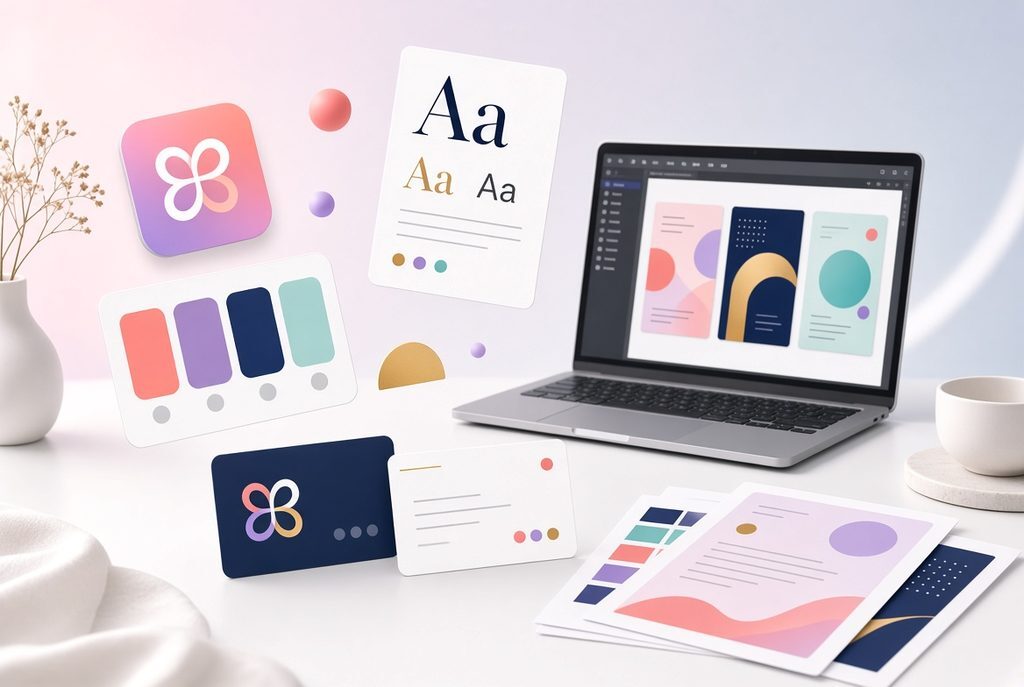
This guide shows you how to turn a domain like FreeBrandKit.com into a useful, traffic-driving resource that earns through transparent reviews of free and freemium brand tools. You can follow the steps to launch your own version, or use it as inspiration. At the end you’ll find a note about the domain itself.
Owning a domain that literally answers a searcher’s need—“free brand kit”—is powerful positioning. People looking for logos, color palettes, fonts, and templates without spending money early on have high commercial intent. Many will try free options, hit a paywall, and then pay for convenience, high-resolution files, or a complete automated kit. That transition is where affiliate commissions live.
This article is a full, practical blueprint. It covers affiliate program selection, content strategy that builds trust, WordPress technical setup, site architecture, SEO, compliance, and scaling. Treat it as both a resource you can publish and a replicable model for a focused side-hustle site.
Why This Niche Works in 2026
Searchers want a complete visual identity (logo, colors, fonts, social templates, business cards, basic guidelines) quickly and cheaply. Tools have matured: AI logo generators, freemium design platforms, and free resources like Google Fonts and Coolors make “free” realistic for many use cases, but true commercial-ready, high-resolution, vector, or fully branded packages usually require payment.
The winning angle is radical transparency: tell readers exactly what is free, exactly when the paywall hits, and when paying is the smarter choice. Sites that do this convert better than pure “click here” pitches because they reduce buyer skepticism.
Realistic expectations: early traffic is modest until content and backlinks accumulate. Conversion rates on freemium tools are often solid because the free trial lowers friction. Earnings scale with quality traffic and consistent publishing. A developed site can also increase the domain’s attractiveness to buyers.
Step 1: Choose and Apply to Affiliate Programs
Prioritize open programs that fit “free or freemium brand tools.” Canva’s path is restricted to its selective Canvassador/Empower program and is frequently closed, so treat it as secondary or skip it initially.
Here is a practical shortlist (always verify current rates, cookies, and terms on the official program pages before publishing):
- Adobe Express (via Partnerize): Strong freemium entry. Commission is typically 85% of the first month on monthly plans (or annual paid monthly) and a lower percentage on prepaid annual plans. 30-day cookie. Excellent for users who want an ongoing design workspace.
- Looka (PartnerStack): AI logo and brand-kit focus. Baseline around 25%, with tiers up to 30–35% based on volume. 90-day cookie in many cases. Users can design and preview free; downloads require payment (Basic low-res PNG ~$20 one-time; Premium vectors ~$65; Brand Kit subscription from ~$96/year with 300+ templates). Ideal primary recommendation.
- Tailor Brands: High fixed CPA payouts (often $50–$250+ depending on LLC/formation or branding plan). Good for “start a business + get branded” angles. 30-day window common.
- HubSpot (Impact): 30% recurring for up to a year. Their free Brand Kit Generator works as a lead magnet that funnels into the CRM. Long cookie window. Useful for more established or corporate-oriented readers.
- LOGO.com and VistaCreate (ex-Crello): Solid alternatives with competitive percentage commissions. VistaCreate offers a usable free tier for design work and is a practical Canva alternative.
Apply to Adobe Express, Looka, Tailor Brands, and HubSpot first. Approval is not automatic—have a live site or clear content plan ready. Once approved, generate tracked links and keep a private spreadsheet of rates, cookies, and creative assets.
Step 2: Content Strategy That Converts
Lead with trust and friction removal.
Core content types:
- Paywall-transparency reviews: “Is [Tool]’s Brand Kit Actually Free? (The Real Limits).” Detail free-tier capabilities, export formats (PNG vs. SVG/EPS), commercial rights, watermarks, and the exact upgrade trigger.
- Comparison pillars: Homepage or main guide with a clean table covering True Free Features, Hidden Costs, Best For, Export Quality, and Ease of Use.
- Manual free methods: Step-by-step tutorials using Google Fonts, Coolors (or equivalent palette tools), free icon libraries, and open resources. Then contrast with the automated affiliate option.
- Use-case guides: “Free Brand Kit for Etsy Sellers,” “Startup Brand Identity Under $0,” “How to Stay Consistent Without Canva Pro.”
- Decision content: End every guide with a clear choice: “If you have 2–3 hours and want full control, use the free method below. If you want it done in minutes and have a small budget, use [Affiliate Link].”
Sample pillar post structure (ready to expand into a full article):
- Short intro + top-of-page affiliate disclosure.
- What a complete brand kit actually includes.
- Scannable comparison table.
- Deep dives on 5–7 tools (free reality + when to upgrade + CTA).
- Fully free manual workflow with screenshots or clear steps.
- When paying makes sense (time, commercial rights, consistency).
- FAQ and internal links to related guides.
Required disclosure (place at the top of every monetized post, before any affiliate links):
“This post contains affiliate links. If you click and make a purchase, we may earn a commission at no extra cost to you. We only recommend tools based on their free-tier usefulness and overall fit.”
FTC rules require clear, conspicuous disclosure. A top-of-post statement plus proximity to CTAs is the safe standard. Also maintain a dedicated Affiliate Disclosure page.
Step 3: WordPress Technical Setup
Use a clean, fast, mobile-first stack.
- Hosting & domain: Point FreeBrandKit.com (or your equivalent) at reliable hosting with free SSL. Enable caching.
- Theme: Lightweight options such as GeneratePress, Kadence, or Blocksy. Prioritize speed and readability over heavy features.
- Essential plugins:
- SEO: Rank Math (or Yoast).
- Link management: Pretty Links, ThirstyAffiliates, or BetterLinks for cloaking, tracking, and easy updates.
- Comparison tables: WP Table Builder, Tableberg, AffiliateX, or RioVizual. Use real HTML tables so search engines can parse them.
- Forms & email: Fluent Forms or similar for lead capture.
- Performance: A caching plugin (WP Rocket or LiteSpeed Cache) plus image optimization.
- Schema: Built into Rank Math or a dedicated plugin for review/comparison markup.
- Structure: Homepage with the main comparison table and top recommendations. Category or tag system for reviews, tutorials, and use cases. Sticky sidebar or floating widget recommending one strong automated option.
- Legal pages: Privacy Policy, Affiliate Disclosure, and basic Terms. Place the disclosure prominently on monetized content.
- Analytics: Google Analytics 4 + Search Console. Track clicks via your link manager.
Build the site as a focused resource first, then layer affiliate elements. Speed and mobile experience matter more than fancy design.
Step 4: Site Architecture and Homepage Blueprint
Suggested pages:
- Homepage: Headline (“Best Free Brand Kit Generators in 2026 — What’s Actually Free”), short value prop, comparison table, top 3 recommendations with brief “free vs. paid” notes, and links to deeper guides.
- Individual tool reviews (Looka, Adobe Express, Tailor Brands, etc.).
- “How to Build a Brand Kit Completely Free” tutorial.
- Use-case roundups.
- About + Disclosure.
Homepage comparison table columns example: Tool | Free Tier Reality | Best For | Export Quality | Commercial Rights | Ease of Use | Our Recommendation.
Keep the table updated. Stale information kills trust.
Step 5: SEO and Traffic Generation
Target high-intent keywords: “free brand kit generator,” “best free brand kit,” “how to create a brand kit for free,” “[Tool] brand kit review,” “brand kit without Canva Pro,” and long-tail use cases.
On-page basics: clear titles, descriptive headings, internal linking between the pillar and supporting posts, optimized images with alt text, and schema where appropriate. Publish consistently (even 1–2 solid posts per week early on).
Off-page: share useful guides in relevant communities (startup forums, Etsy seller groups, small-business Reddit threads) without being spammy. Build a simple email list with a “Free Brand Kit Checklist” or template pack. Short video or social clips showing free vs. paid exports can drive traffic back to the site.
Step 6: Optimization, Compliance, and Scaling
- Track which tools and content convert. Double down on winners.
- Update free-tier details regularly—tools change features and pricing.
- Expand into related offers only if they fit (hosting, stock assets, business formation). Avoid diluting the focus.
- Email nurture sequence: free checklist → tool comparisons → decision content.
- Dual path for the domain: a live, earning site is more valuable to potential buyers than an undeveloped name. Keep the site running while the domain is listed if desired.
Edge cases and risks: Program approval can take time or be denied. Some tools restrict certain traffic sources. Always disclose. Never claim a free tool is fully commercial-ready if the terms say otherwise. Monitor for ranking drops or algorithm changes and keep content genuinely useful.
Final Thoughts and Next Steps
This model works because it solves a real problem (getting branded quickly without early spend) while honestly guiding people toward paid tools when free options fall short. The combination of a strong domain, transparent content, and relevant affiliates creates a focused side-hustle asset.
Start by applying to the top programs, building a simple comparison homepage and 3–5 core posts, adding disclosures and tracking, then publishing and promoting. Iterate based on what traffic and conversions show.
Want to Own FreeBrandKit.com?
If you’d like the exact-match domain for this niche, it’s available. Acquire FreeBrandKit.com to run this model yourself or integrate it into an existing project.
Disclosure note for this article: The recommendations above are based on publicly available program details as of late 2026. Always confirm current terms directly with the affiliate networks before promoting.