
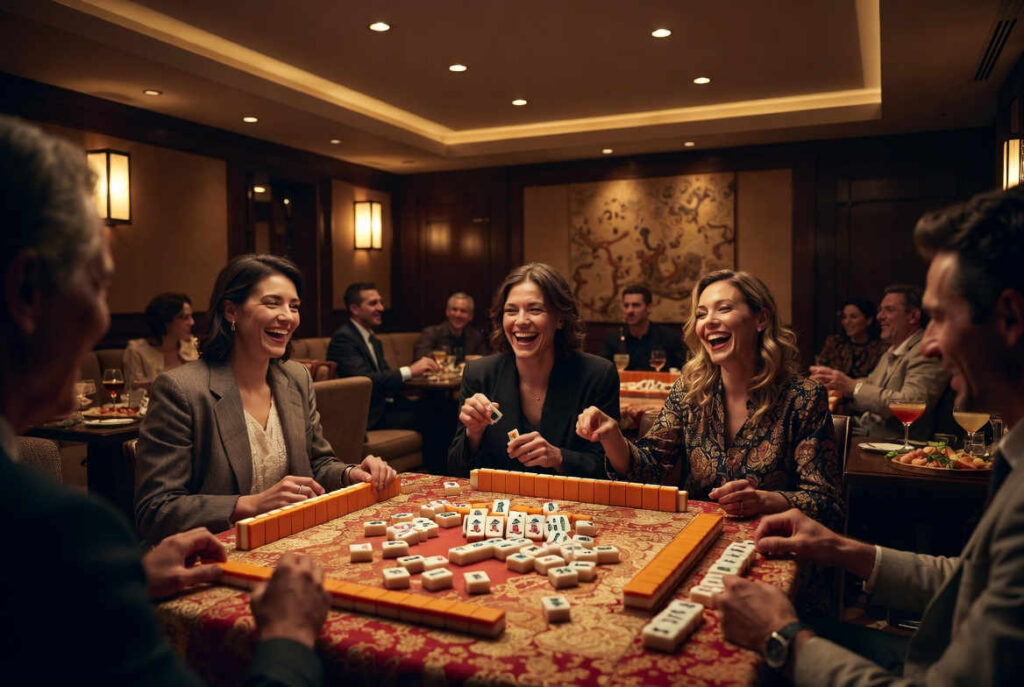
Mahjong, the ancient Chinese tile-based game of strategy, skill, and chance, is experiencing a remarkable renaissance across the United States. Once primarily associated with family gatherings in immigrant communities or established social circles, the game has surged in popularity in recent years, drawing players of all ages, backgrounds, and skill levels. From bustling urban clubs in San Francisco and New York to community centers in the Midwest and suburban living rooms in Texas, Mahjong tables are filling up as Americans seek meaningful, in-person connections in a digital age.
Data underscores this boom. According to Yelp, searches for Mahjong clubs skyrocketed nearly 4,500% year-over-year in one recent period. Eventbrite reported a 150-200% increase in Mahjong-related events nationwide between 2023 and 2024. The game has captured media attention, with segments on major networks highlighting its appeal, and celebrities from various walks of life sharing their enthusiasm for tile-clacking sessions. Market forecasts for Mahjong sets and accessories project steady growth, with North America emerging as a fast-expanding region.
This article explores the game’s deep roots, its historical journey to American shores, the factors fueling its current popularity, and what the future might hold.
Origins and Core Appeal of Mahjong
Mahjong traces its origins to 19th-century China, evolving in the region around Shanghai during the Qing Dynasty. Legend attributes its creation to various figures, but it likely developed from earlier card and tile games as a pastime for merchants and scholars. The game uses a set of 144 or more tiles (depending on the variant), typically made of bone, bamboo, plastic, or wood, featuring suits like dots (circles), bams (bamboos), characters (craks), honors (winds and dragons), and sometimes flowers or jokers in adapted versions.
Played by four players, Mahjong combines elements of rummy, poker, and bridge. The objective is to build a winning hand by drawing and discarding tiles to form melds—sets of three or four matching tiles or sequences—while preventing opponents from doing the same. The distinctive clack of tiles, the tactile satisfaction of handling them, and the blend of luck and strategy create an engaging experience that rewards concentration, memory, and social interaction.
Beyond entertainment, Mahjong offers cognitive benefits. It exercises working memory, pattern recognition, and quick decision-making. Regular play may help maintain mental sharpness, particularly appealing to older adults, while its social nature combats isolation. In China and other parts of Asia, it remains a staple of daily life, played in parks, homes, and parlors.
Mahjong Arrives in America: A 1920s Sensation
Mahjong first reached the United States in the early 20th century, introduced by American expatriates, traders, and tourists returning from China. By the early 1920s, it exploded into one of the biggest fads in American history. Department stores struggled to keep imported tile sets in stock, and entrepreneurs like Joseph Park Babcock capitalized on the craze by importing sets and publishing simplified rules tailored for Western players.
The game appealed to the elite initially—figures like President Warren G. Harding and Hollywood stars were said to play—but quickly spread across social classes, especially among women seeking new forms of recreation during the Roaring Twenties. Mahjong parties became social events combining strategy, conversation, and the allure of exotic imported tiles. Its popularity waned after the initial boom but found renewed life in subsequent decades.
In the 1930s, a group of players, notably including Jewish American women, standardized rules that diverged from traditional Chinese play. This variant, often called American Mahjong, incorporated elements like jokers, specific yearly hand cards distributed by organizations such as the National Mah Jongg League (founded in 1937), and racks for holding tiles. These adaptations made the game more accessible and suited to casual social play, fostering tight-knit communities, particularly in suburban Jewish circles during the post-World War II era. Weekly games became rituals of friendship, networking, and cultural preservation.
American Mahjong emphasizes different winning combinations updated annually, adding freshness and requiring players to adapt. While traditional Chinese Mahjong focuses more on sequences and suits without jokers in many regional variants, the American style has thrived as a distinct cultural phenomenon.
The Post-Pandemic Resurgence
The game’s latest wave of popularity gained momentum during and after the COVID-19 pandemic. As people craved safe, meaningful in-person interactions, Mahjong offered the perfect antidote to screen fatigue. Eventbrite data highlights how “granny-core” experiences—nostalgic, analog activities—drew younger generations, with events spiking dramatically.
In cities like San Francisco, Mahjong events now occur daily in public spaces, restaurants, bars, and speakeasies. Venues such as Baba’s House and 13 Orphans in the Bay Area host regular nights blending tiles with dim sum and cocktails. In New York, groups like the Green Tile Social Club have scaled from living-room gatherings to large supper clubs and themed events. Washington, D.C., sees drop-in games at museums and community spots attracting novices and veterans alike. Even smaller cities and suburbs report growing clubs.
Young Asian Americans are driving much of the revival, seeking to reconnect with cultural heritage. Many recall hearing tiles clack during family gatherings and now introduce friends from diverse backgrounds. Intergenerational play is common—grandmothers teaching grandchildren, or millennials hosting game nights that bridge age gaps.
Social media amplifies the trend. Instagram and TikTok feature aesthetically pleasing tile sets, tutorials, and event photos, turning Mahjong into a visual and communal experience. Celebrities have boosted visibility: high-profile figures have shared their game nights, normalizing it for broader audiences.
Online platforms and apps have also expanded access. Digital versions allow practice against bots or remote play with friends, lowering barriers for beginners. Physical sets are selling briskly, with demand for premium bamboo or custom designs. The global Mahjong market is projected to grow significantly, with North America showing strong gains driven by cultural exchange and experiential leisure.
Why Mahjong Resonates Now
Several factors explain the surge. First, a post-pandemic yearning for authentic socialization. In an era of digital overload and loneliness epidemics, Mahjong demands presence: no phones at the table, just conversation, laughter, and friendly rivalry. Sessions last hours, fostering deeper bonds than quick meetups.
Second, its accessibility and inclusivity. Rules can be learned in an afternoon, yet mastery takes years, suiting casual players and competitors. It accommodates various ages and abilities—no physical exertion required. Co-ed and multi-generational appeal distinguishes it from more niche hobbies.
Third, mental and emotional rewards. Players report reduced stress, improved focus, and a sense of accomplishment. For older adults, it provides cognitive stimulation and combats isolation. For younger players, it offers a screen-free hobby with cultural depth.
Fourth, cultural and nostalgic appeal. Amid growing interest in Asian heritage and “analog” experiences, Mahjong feels both timeless and fresh. It preserves traditions while evolving—modern clubs host tournaments, speed dating hybrids, or charity events.
Economic and community impacts are notable. Small businesses thrive on sets, accessories, and event hosting. Clubs build networks, support local venues, and create third places beyond home or work. In diverse cities, it bridges communities, introducing non-Asian players to elements of Chinese and Asian American culture.
Challenges exist. Supply chain issues for quality tiles, varying regional rules causing confusion for travelers, and the need for more inclusive teaching resources. Some purists debate adaptations, but overall, the diversity enriches the game.
Getting Started with Mahjong
Newcomers can ease in easily. A standard American Mahjong set includes tiles, racks, dice, and scoring tools. Beginners should start with tutorials from community centers, libraries, or online resources. Many cities offer free or low-cost drop-in sessions. Apps provide practice modes with suggested hands.
Joining a club or league offers structure—yearly cards guide hands, and experienced players mentor novices. Etiquette emphasizes good sportsmanship: quiet play during hands, respectful discarding, and gracious wins/losses. Local Meetup groups, senior centers, or university cultural clubs are great entry points.
For those preferring home play, four players suffice. Host nights with snacks, rotate hosts, and keep score simply at first. Tournaments add excitement for the competitively inclined.
Need business names for a Local Mahjong House, Social Club or App?
Looking Ahead
Mahjong’s trajectory points upward. As interest in wellness, social connection, and cultural exploration grows, the game is well-positioned. Market analysts predict continued expansion, potentially rivaling hobbies like pickleball in social impact. Innovations may include hybrid online-offline events, educational programs in schools, and more diverse tile designs celebrating American multiculturalism.
The game’s ability to adapt— from 1920s fad to suburban staple to Gen Z social phenomenon—ensures longevity. It transcends trends by fulfilling timeless human needs: play, connection, and intellectual challenge.
In a fragmented world, Mahjong’s clacking tiles signal unity. Whether in a bustling city speakeasy or a quiet family room, players find common ground across a table of intricately carved symbols. As more Americans discover its joys, this centuries-old game continues writing new chapters in its rich American story, one winning hand at a time.