
In the AI context today, mobile agents refer to AI programs that can interact with mobile apps and devices autonomously — like a smart assistant that doesn’t just talk, but acts. These systems combine:
- AI reasoning & planning (often with large language models),
- Visual or structured perception of interfaces,
- Automated control of apps and UI workflows, and
- Goal‑oriented task execution across multiple screens or apps.
In simpler terms, they’re like giving your phone an AI “brain” that can see and operate apps for you — much beyond a basic Siri/Assistant reply.
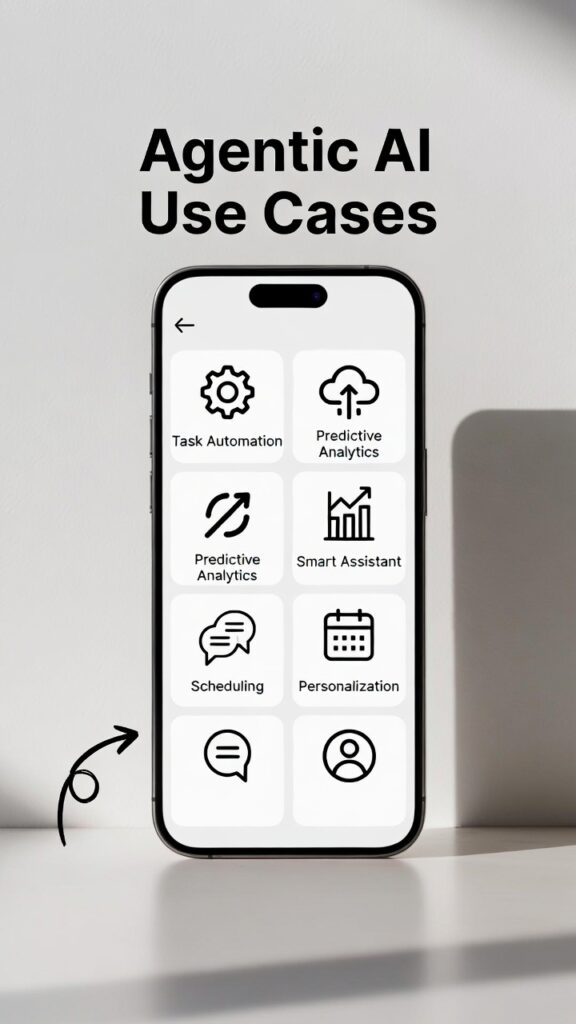
🧠 Typical Use Cases for a MobileAgents.ai‑style Platform
Here’s how such AI mobile agents are generally used:
✅ 1. Cross‑App Task Automation
Tell the agent a goal like “book a flight, find a hotel, and add them to my calendar” — and it navigates apps (travel site/app → calendar → email) to complete the job.
✅ 2. Mobile Workflow Automation
Instead of manual taps and swipes to do repeated tasks (e.g., filling forms, posting updates, managing settings), the agent can automate them based on your instruction.
✅ 3. Accessibility Enhancement
People who struggle with complex UIs (vision‑impaired, elderly) get a smart agent to handle app navigation or repetitive input tasks.
✅ 4. Enterprise Process Automation
Businesses can automate mobile‑based workflows (cross‑app reports, status checks) that traditionally required manual mobile operation or brittle scripts.
✅ 5. Automated App Testing
AI agents can simulate users testing flows: installs, registration, checkout processes — without manual test script writing.
📊 Why This Matters
A mobile‑agent platform (whether branded MobileAgents.ai or similar) represents a shift from:
- “Ask AI a question” → to →
- “Give AI a goal and have it act in your system to achieve it.”
So instead of just talking to your phone, you’re having it work for you autonomously.
🧭 Summary
So a platform like MobileAgents.ai — if it exists as a service — would typically be used for:
- Automating complex mobile tasks and workflows automatically,
- Acting on your behalf inside apps without manual input,
- Enhancing accessibility or productivity, and
- Powering enterprise automation and mobile testing.
It’s less about chatting with AI and more about having AI operate your mobile environment to get things done — like a smart digital assistant that does rather than just talks.